Being Right vs Being True

There is a world of difference between wanting to be right,
Versus wanting to be true.
Seek to be true, even when it reveals that you weren’t right.

Nothing Meaningful Without the Soul

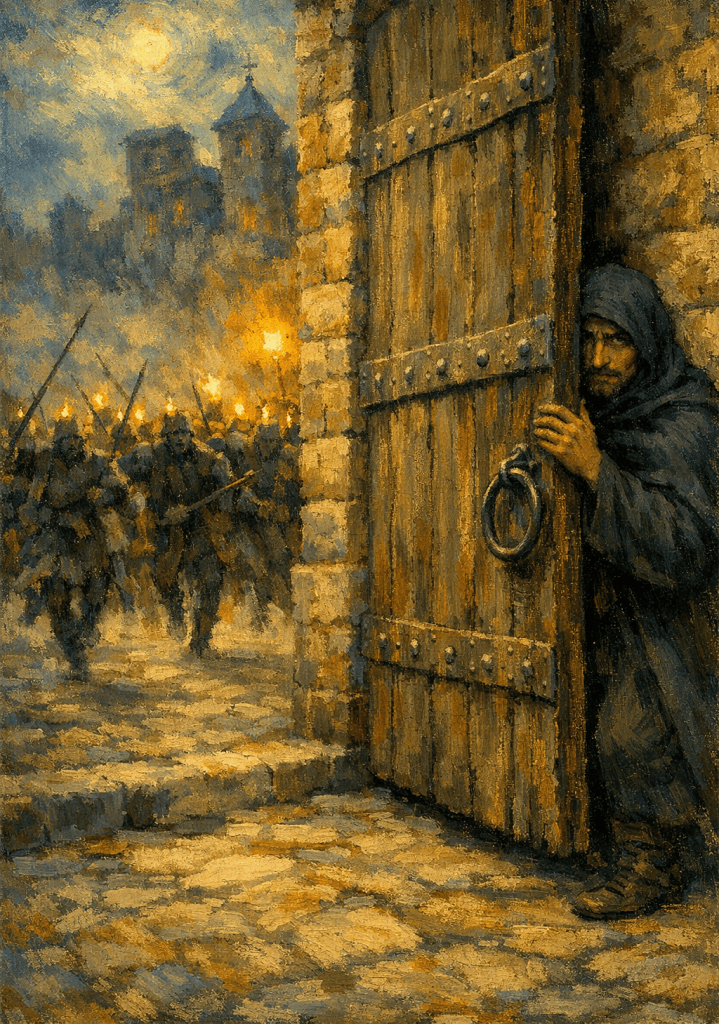
No argument, or even well-meaning discussion, will accomplish anything meaningful, unless you get to speak to the real, authentic soul that lives within the other person. Glimpses of that genuine, vulnerable soul are very rare. It is almost always shut up behind a facade, which you will never make any serious impression upon.

Sincere Disagreement

I would far rather have a man disagree with my genuine beliefs, than for him to disagree with fabricated positions I have never held.
If you try to tell me what I believe to discredit my faith, then your disagreement with me is not rational, it is emotional.

Purposeful Pain

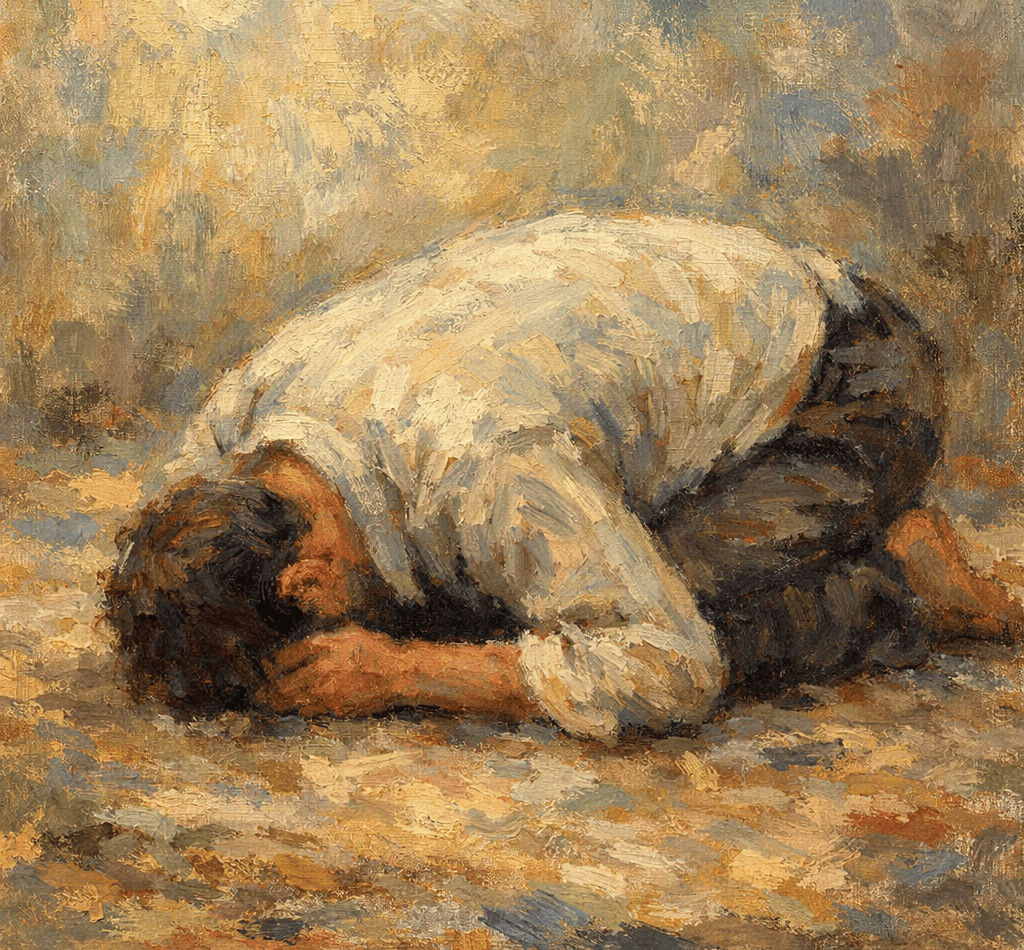
Much of what we call “suffering” is simply going through pain that we don’t think we’re supposed to. We had a plan or an expectation for life, and the pain is ruining all of that, and it can be a crippling disappointment that some never grow past.

Growth comes in accepting. It comes in saying, “Well maybe this is the right pain for me. Maybe this is here for me to learn how to get through it. Maybe this is exactly the path my quest was meant to follow.” Purposeful pain yields growth, meaningless suffering only yields agony.

What Really Matters

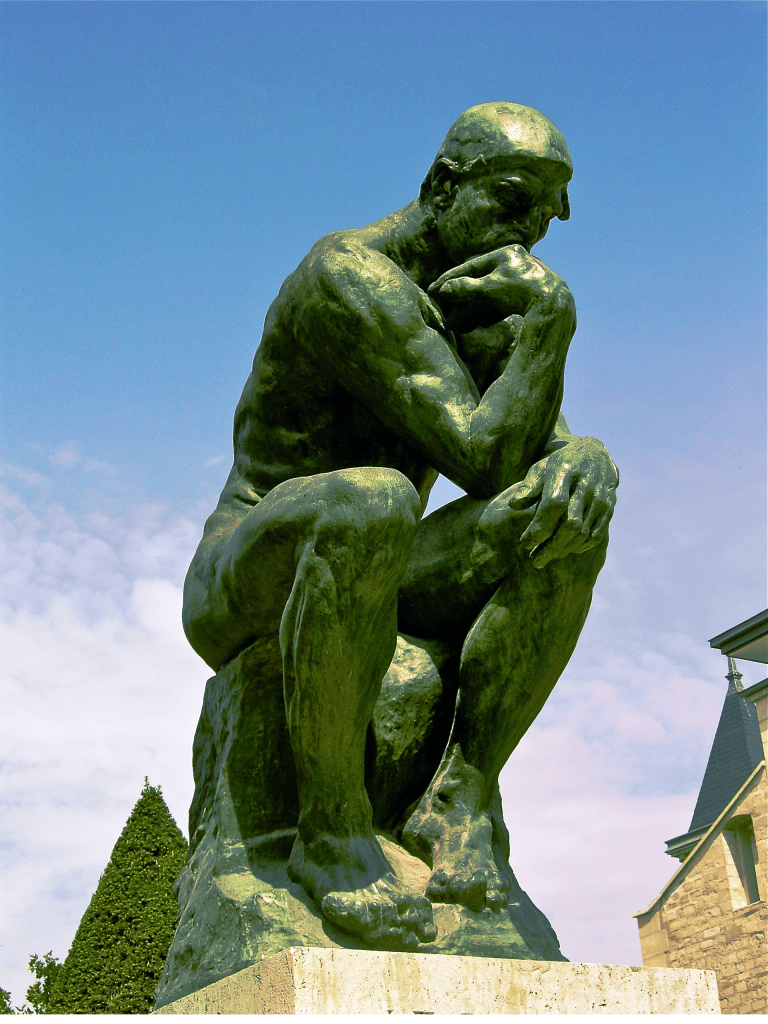
Often, that which we value most is not what we assume. The only way to know our true priorities is to observe what we compromise at the expense of what else.

Do we keep our belief in God’s commandments quiet when those around us oppose them? Then we value society more than God.

Do we pursue early sexual gratification, even though we know it will make us unattractive to a potential spouse? Then we value pleasure more than family.

Do we ignore our neighbor asking for help loading their truck so that we can have a nice evening to ourselves? Then we value self more than community.

And through it all, we may tell ourselves that God, family, and community matter to us most, but our actions reveal the truth of the matter. They do not. Social acceptance, pleasure, and self are our true priorities. But the good news is, our priorities can be altered, we just have to make sacrifices. Choose the commandments, the abstinence, the community service, even when we do not want them. In time, the heart will change so that we do.

That Which Aches Most

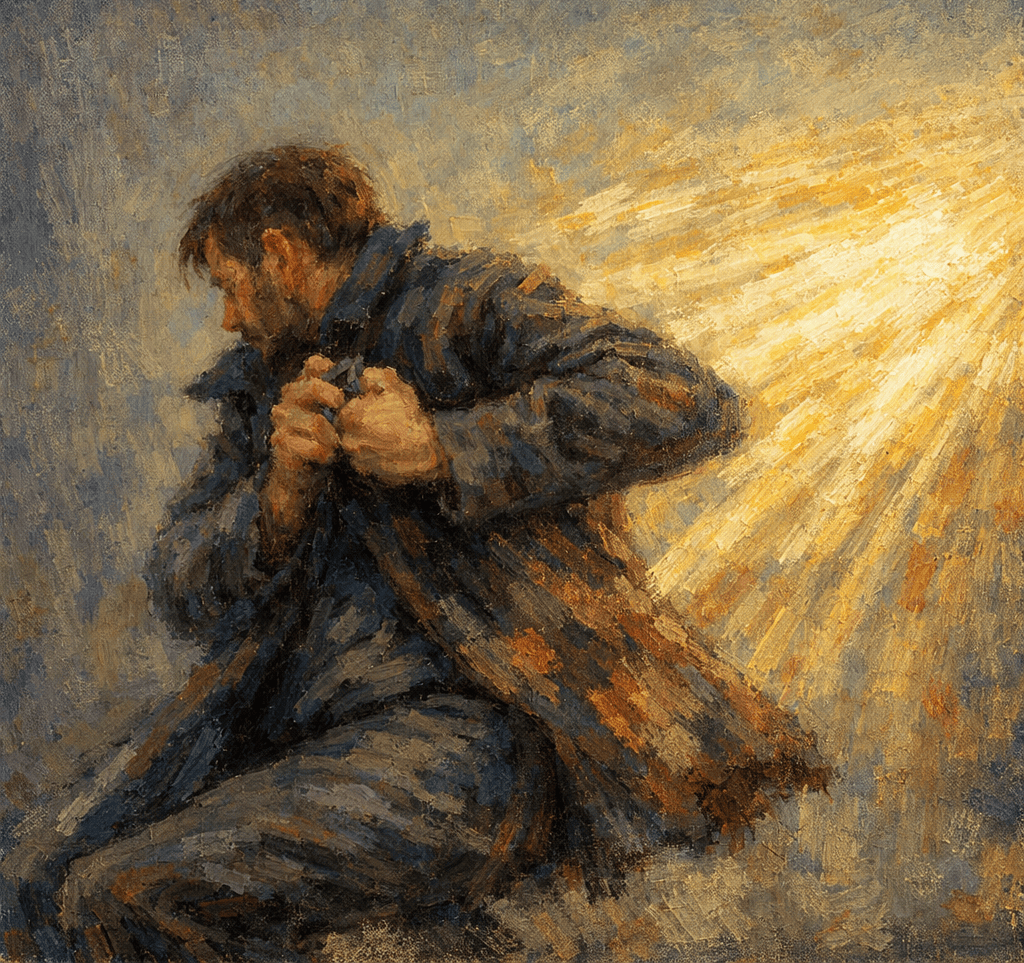
That which aches most is not necessarily the most important.

When you take stock of your life, certain parts will likely satisfy you, and others will leave you wanting. Your connection to the divine, your friendships, your romantic relationship, your family, your career path, your physical health, your finances, your hobbies and interests…you were hopefully able to make some of these play out the way you’d always hoped, but surely there are some that are a great disappointment.

And the greatest of those unrealized dreams will ache most terribly. We may yet hold out hope for their eventual fulfillment, or despair at their permanent loss, but either way they leave a painful wound in the soul.

But, of course, if we did have those missing dreams realized, but lost other dreams that we already have, then those new lost parts would ache instead. And they might ache even more, because they might be even more essential to our soul. One of the great mistakes that people make is to sacrifice that which is higher to try and soothe the aching of that which is lower. Or they do the inverse, clutching to the lower fulfillment, at the expense of achieving the higher.

You must understand the hierarchy of the soul. The elements that matter most. Accept that some aching is inevitable and be wise in what you are willing bargain to fix it. Do not sacrifice that which is higher for what is lower. Do not hold onto that which is lower at the expense of what’s higher.

Faulty Logic

There is a faulty logic that can lead some to abandon the faith that goes something like this:

1. My father believed in Christ.
2. My father hurt me.
3. The church believes in Christ.

Therefore, the church must want to hurt me.

This is not a surprising line of reasoning. It is in our nature to learn from our suffering and to try and avoid it repeating. We instinctively look at the qualities attached to those that hurt us and become suspect of others who carry the same. And in many cases, this can actually help us identify negative patterns and avoid risky associations.

But there is a difference between correlation and causation. Having been hurt by someone who professed Christ, but who did not emulate the teachings of Christ, is not the same as having been hurt by Christ, himself. It takes maturity to look at the harm we have received and ascribe its sources to the qualities that do apply, and not to the ones that don’t.